




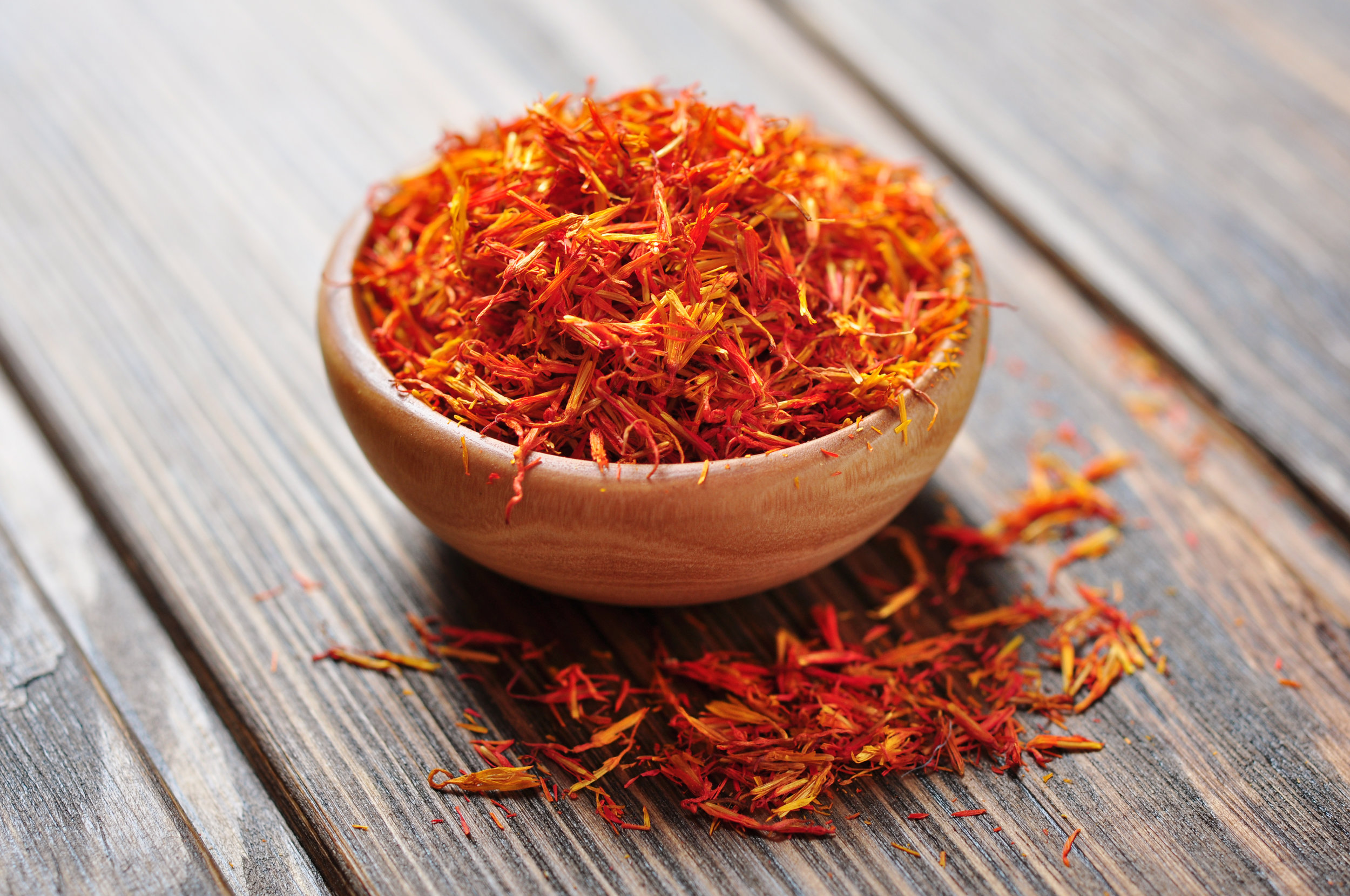
Known to Ayurveda as Kunkuma, saffron is fabled for its beautiful colour, delicious taste and powerful medicinal properties. So-called saffron 'threads' consist of the style and stigma of the Autumn Crocus. It is a powerful source of antoxidants and a wonderful rejuvenative.
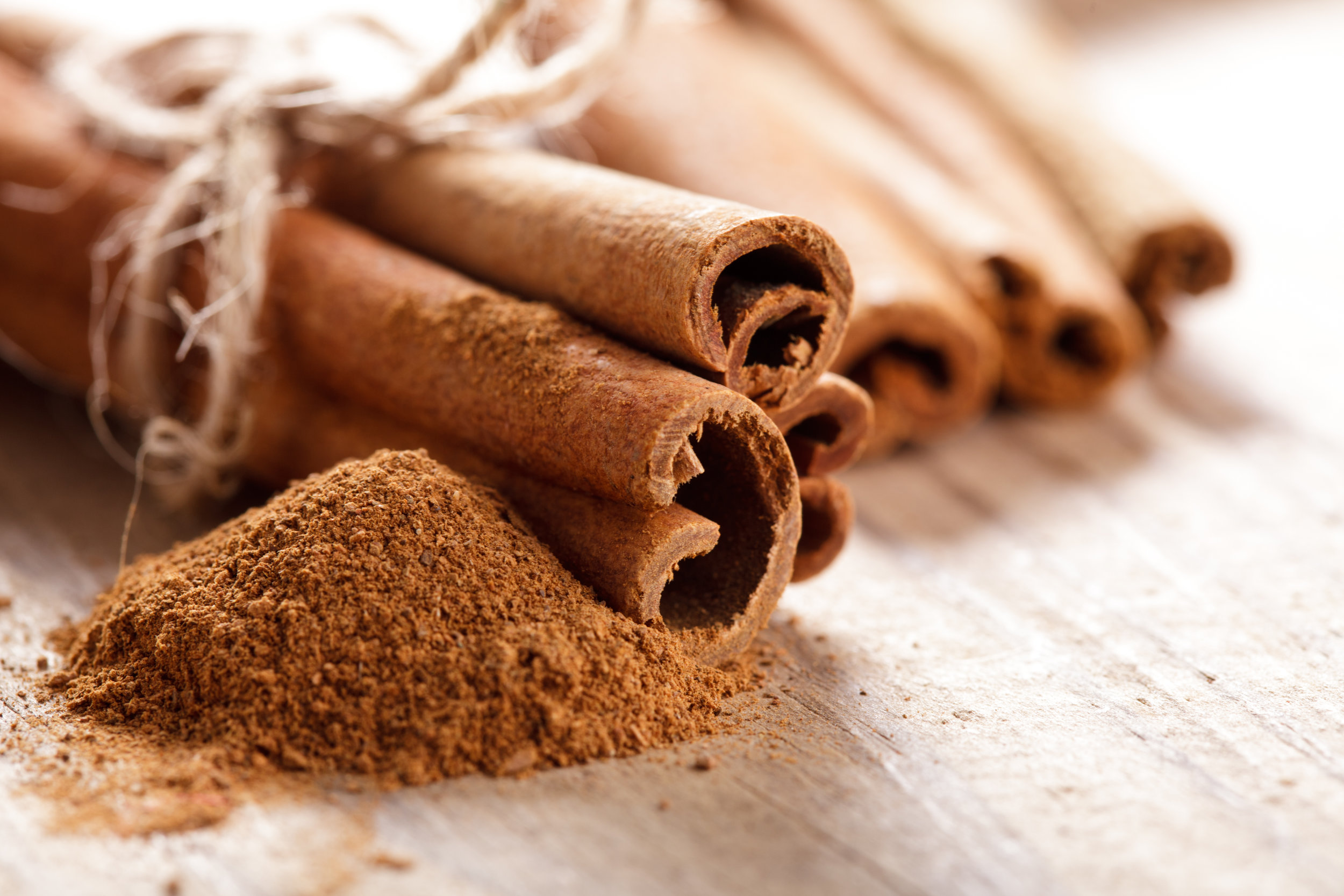
When cinnamon is mentioned, perhaps you think of the aroma of freshly baked cinnamon buns, or adding a dash of cinnamon to your favourite coffee. Yet in Ayurveda, cinnamon, known as tvak, is understood as much more than a comforting flavor--it's also a powerful medicine for the respiratory, cardiovascular and female reproductive systems. Cinnamon is also very beneficial for blood sugar problems. Here is a selection of cinnamon home remedies.
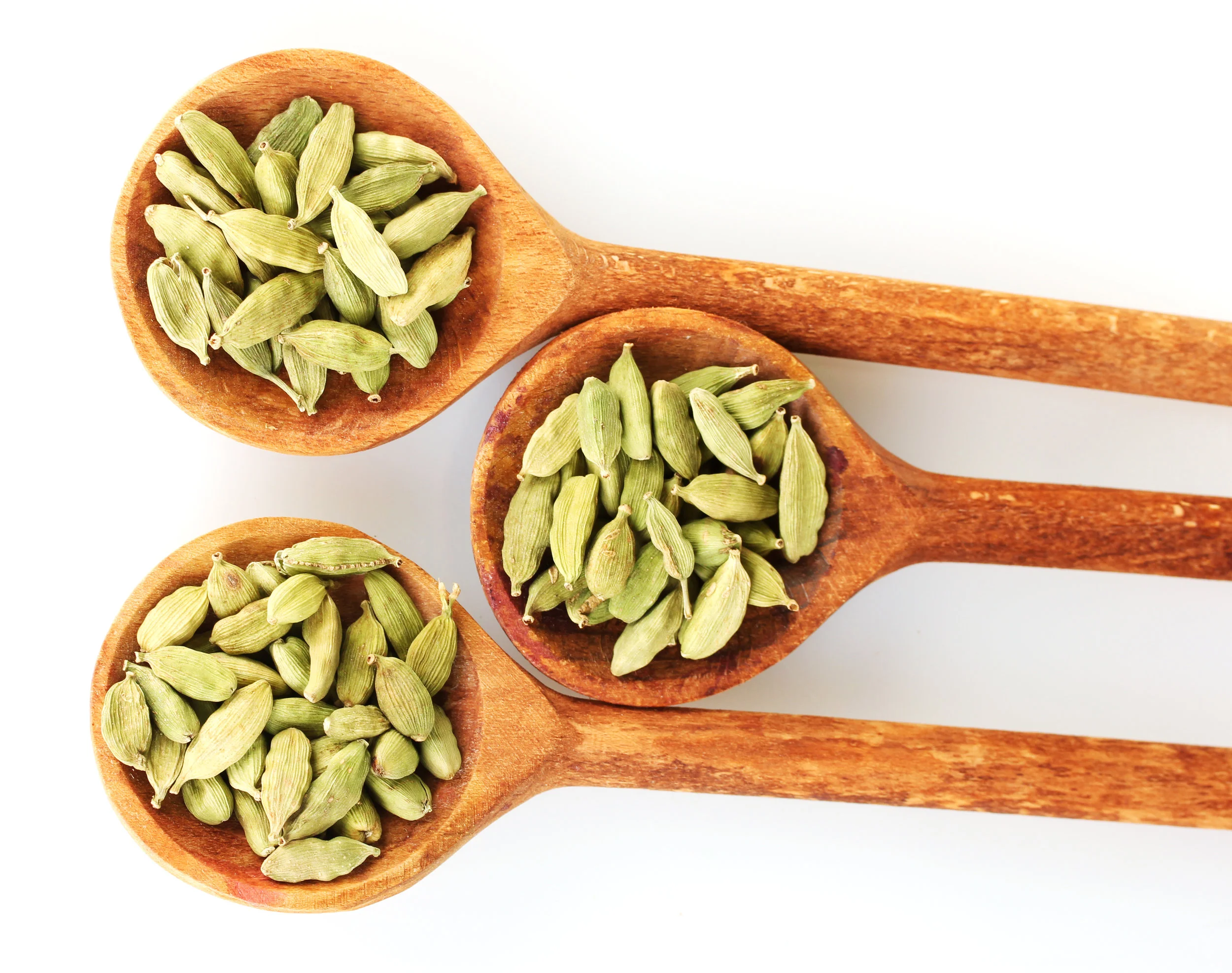
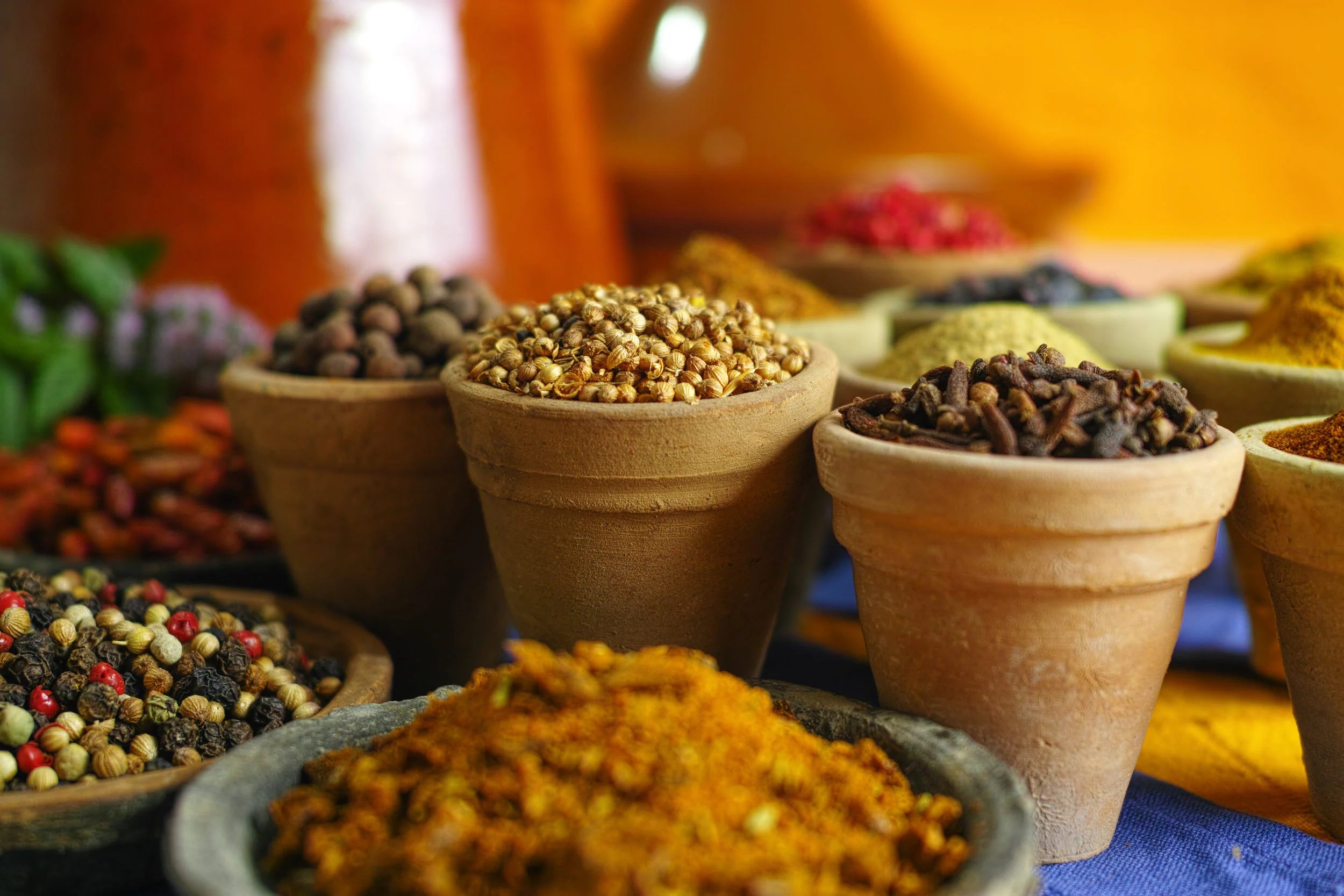
And cardamom is more than a delicious seasoning for milk puddings and chay, it also enhances digestion, kills h. pylori, and acts as an antidote to caffeine.

Fenugreek seeds have a rather bitter taste, due to the presence of an alkaloid, trigonellone, which boasts many actions including lowering blood sugar, increasing lactation and killing intestinal parasites. Fenugreek is also a source of lecithin and iron.

Used in Italian cuisine, Scandinavian and cental European baking and Indian cuisine, fennel is a typical resident of the spice cabinet. It's also a component of the Chinese Five Spice Powder and Bengali Panch Puran and features in Middle Eastern recipes too. Fennel 'seeds' are actually tiny fruits.
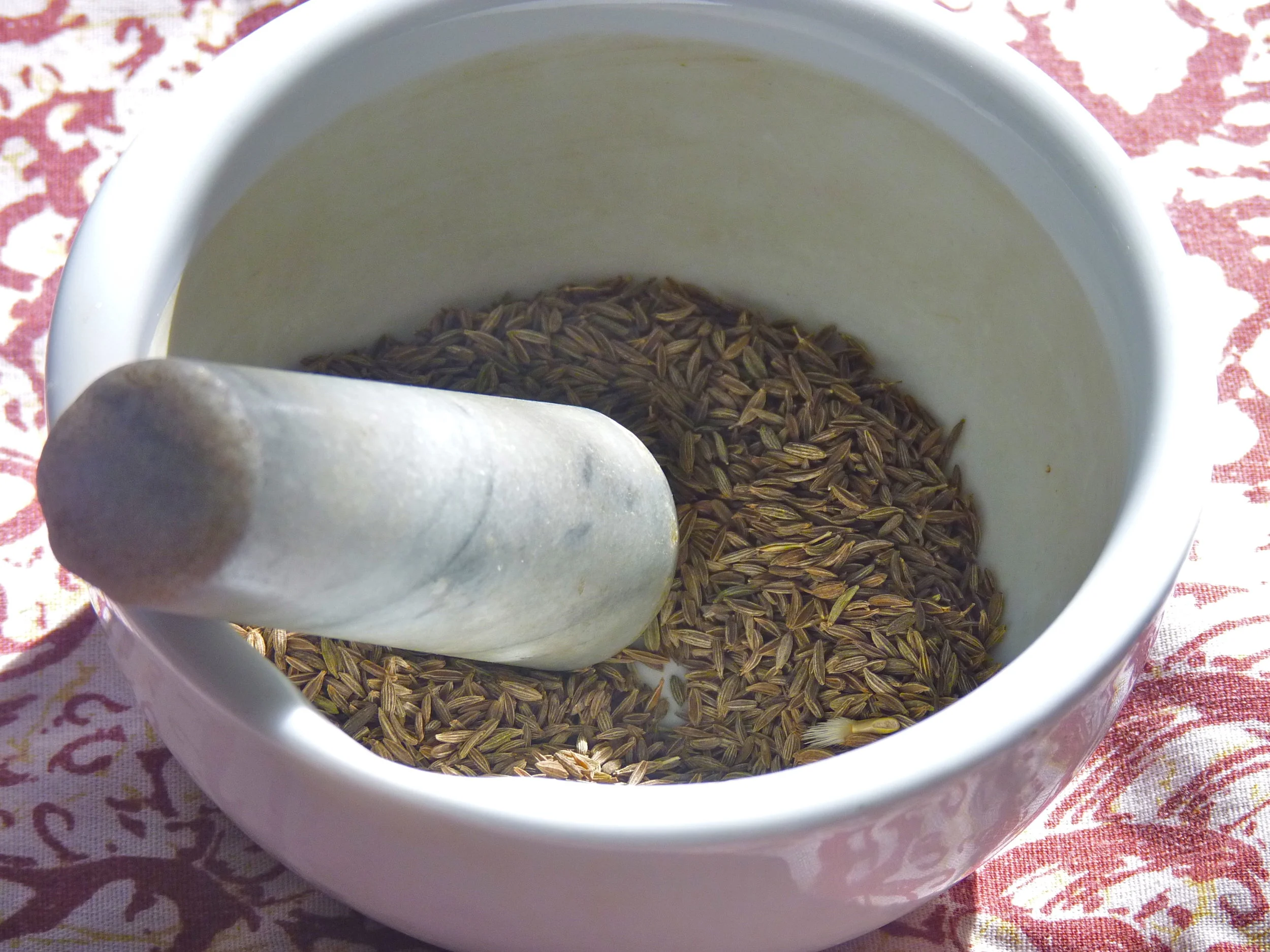
Did you know that cumin, a humble resident of your kitchen, contains an amazing substance, cuminaldehyde, which is antimicrobial, anti-diabetic, cancer-preventative, antioxidant and a fantastic digestive aid?

Widely prized in the ancient world as "plant of immortality". Ancient Egyptians buried it with pharaohs in tombs. Cleopatra and Queen of Nile used it for bathing. Many ancient physicians, such as Galen, Pliny, Dioscorides as well as Surushta and Charaka, praised its values. It was brought to the USA from Africa in the sixteenth century. In many countries it has become a common household remedy for the variety of uses.
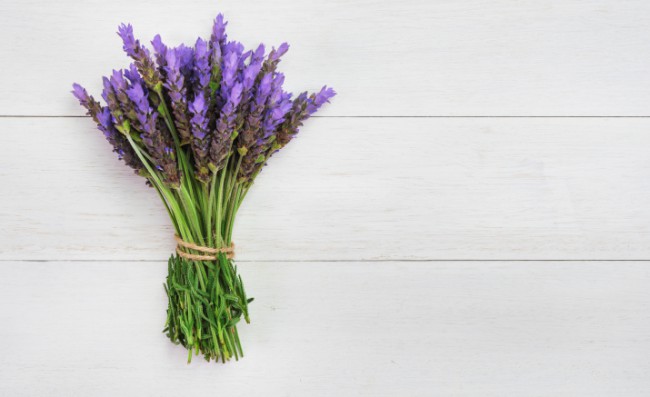
True lavender (Lavandula angustifolia) is one member of a genus of 39 species of flowering plants of the mint family (Labiatae) that are considered "lavenders". The Lavandula genus includes annuals, woody perennials and small shrubs.
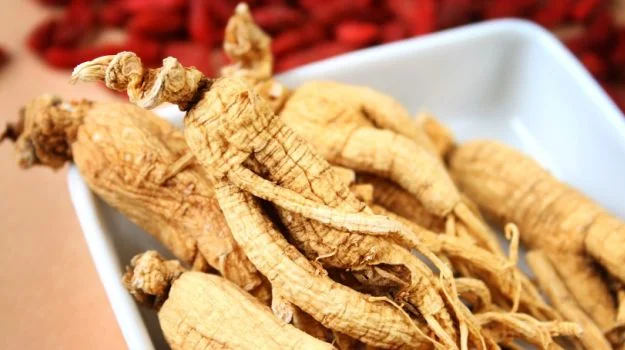
Ashwagandha root has been used in India for at least between 3,000-5,000 years, to enhance libido and sexual vitality, improve fertility and overall reproductive health, and to reduce stress.
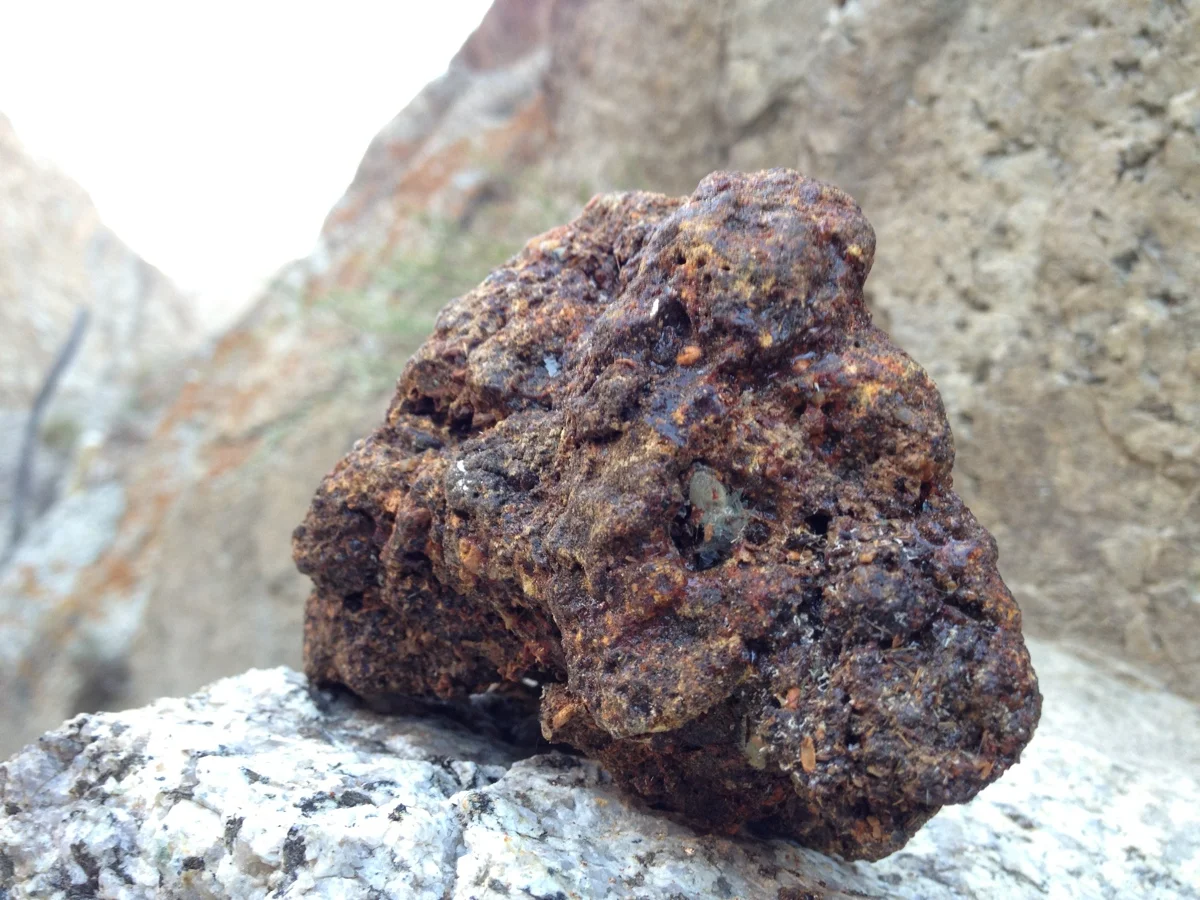
This strange and mystical resin has been used by humans for thousands of years in a medicinal context with positive result and those who support the "evidence based medicine" approach of Ayurveda can appreciate that there is a growing body of work pertaining to the exploration of why the ancient texts say it works. Shilajit is truly another gift of nature and should be respected and applied as such.
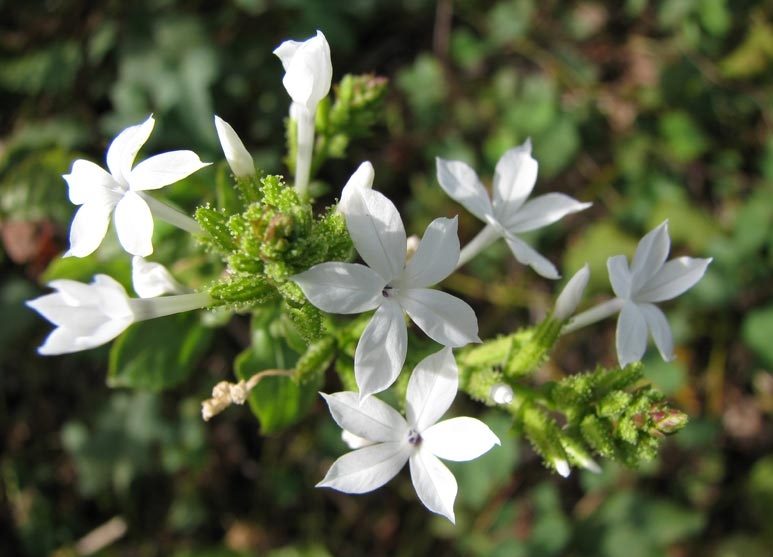
A species with in the Plumbaginaceae family is known as Plumbago zeylanicum in Latin or known as Citraka in Sanskrit. Citraka is recognized by its ability to cure diseases rapidly. Having an amazing ability to clear toxins, the herb is used for a variety of illnesses ranging from bronchial difficulties to reducing inflammation.

Ponderosa is Latin for "having great weight" from the Latin pondus or "weight" and refers to the impressive size and stature of the pinus ponderosa or ponderosa pine.

Gotu Kola has been called "a pharmacy in one herb". It is classified as one of the Brahmi herbs for its brain enhancing and anti-aging, longevity-producing properties. It is also known as the elixir of life.

Herbalists place Rosa Canina in high regard. The petals, hips and galls are astringent, carminative, diuretic, laxative, smoothing eyes and as a tonic. Rose Canina is considered strengthening to the stomach and useful in diarrhea and dysentery, allaying thirst, and for its expectorant qualities good for coughs and spitting of blood.
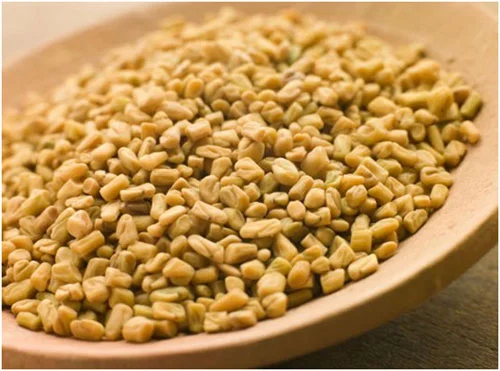
Methi has been around for thousands of years and used as a medicine, spice, and food for both humans and animals. Methi has, through the times, been used for a variety of health conditions such as diabetes, fever, anorexia, cough, bronchitis, swellings, burns, abscesses, ulcers, sprue and other digestive issues.
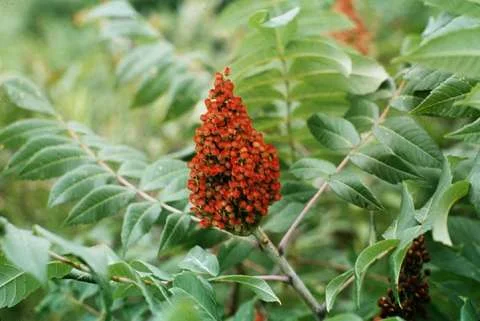
Rhus Glabra L. is one of the most common sumacs. It is an attractive ornamental plant and is cultivated by many for its beauty. The scientific name Rhus Glabra comes from Greek and rhus is derived from "rhous" which means bushy sumac, glabra means smooth and refers to the stem and leaves of the plant

Gumweed's tikta rasa indicates its benefit in clearing heat, drying ama, benefitting skin, clearing parasites from GI tract, supporting liver, and clearing congestion from srotamsi.
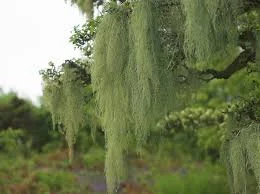
Usnea spp. is known for it's antibacterial properties, and can be used for first aid in wild to staunch wounds

Pittas! Create your home pharmacy of herbs and mixtures that you can use to treat yourself.
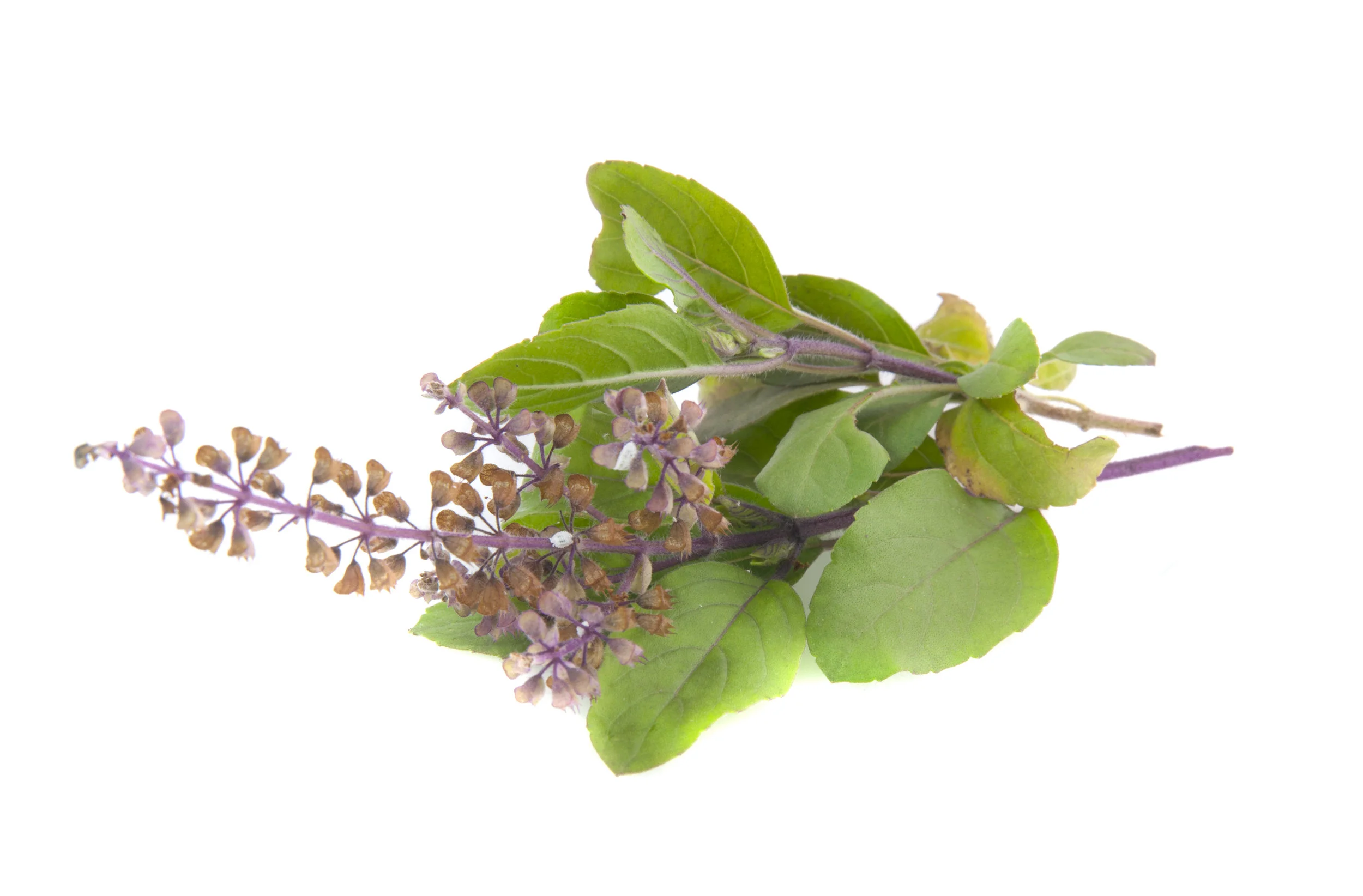
During the winter months of cold and flu season, herbal allies can be a great help in supporting our immune systems. Out of the array of Ayurvedic immune boosters, here are three of the most important.