







While many of us are familiar with using clove or clove oil for toothache, there are many more home remedies that make use of clove's numerous healing properties, including expectorant, digestant, antifungal and antibacterial capabilities.
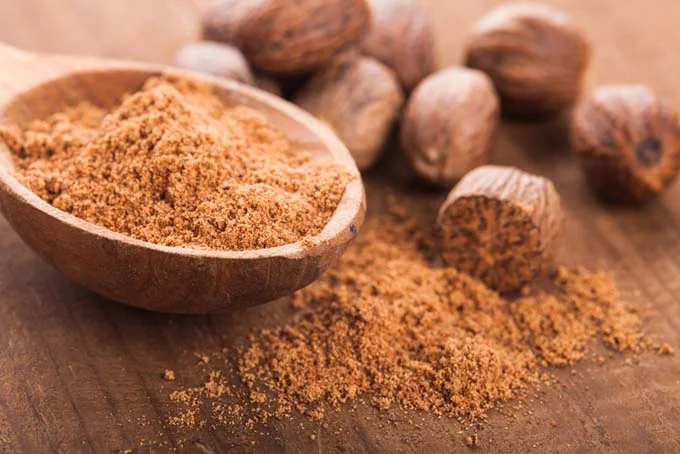
Known in Ayurveda as jātīphala, nutmeg is used in many cuisines around the world, including Indonesian, Indian and Japanese.
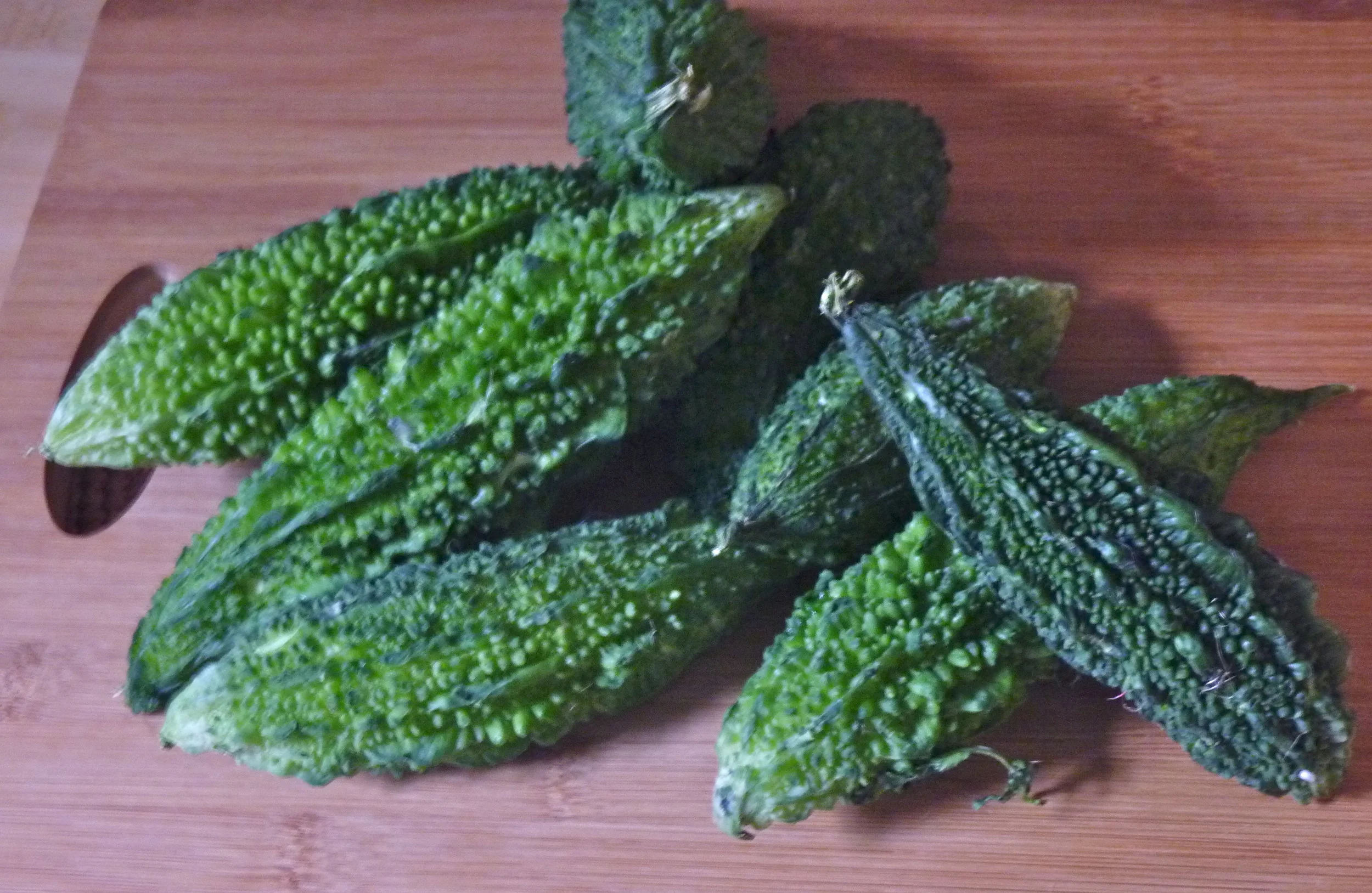
Looking like crinkly cucumbers, bitter gourds are famed for their healing properties and used in an array of recipes and remedies. Learn more about health benefits of bitter gourd.
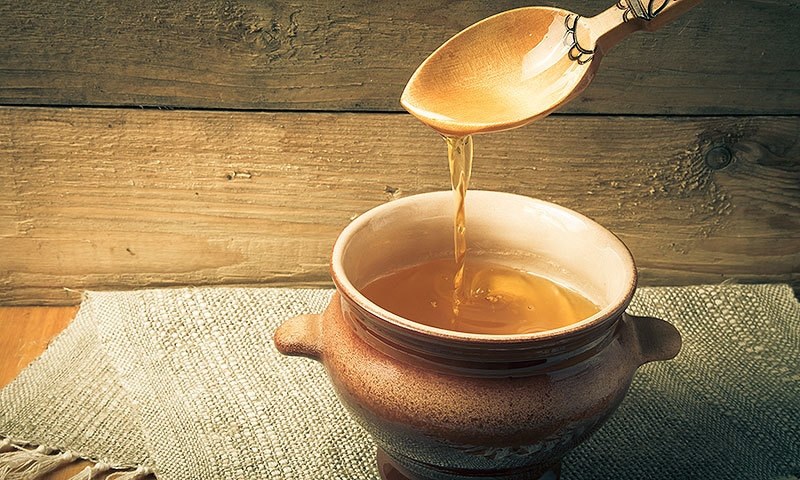
Ghee is one of the foods virtually synonymous with Ayurveda. Learn how classical Ayurvedic texts celebrate the virtues and uses of ghee as a food and medicine.
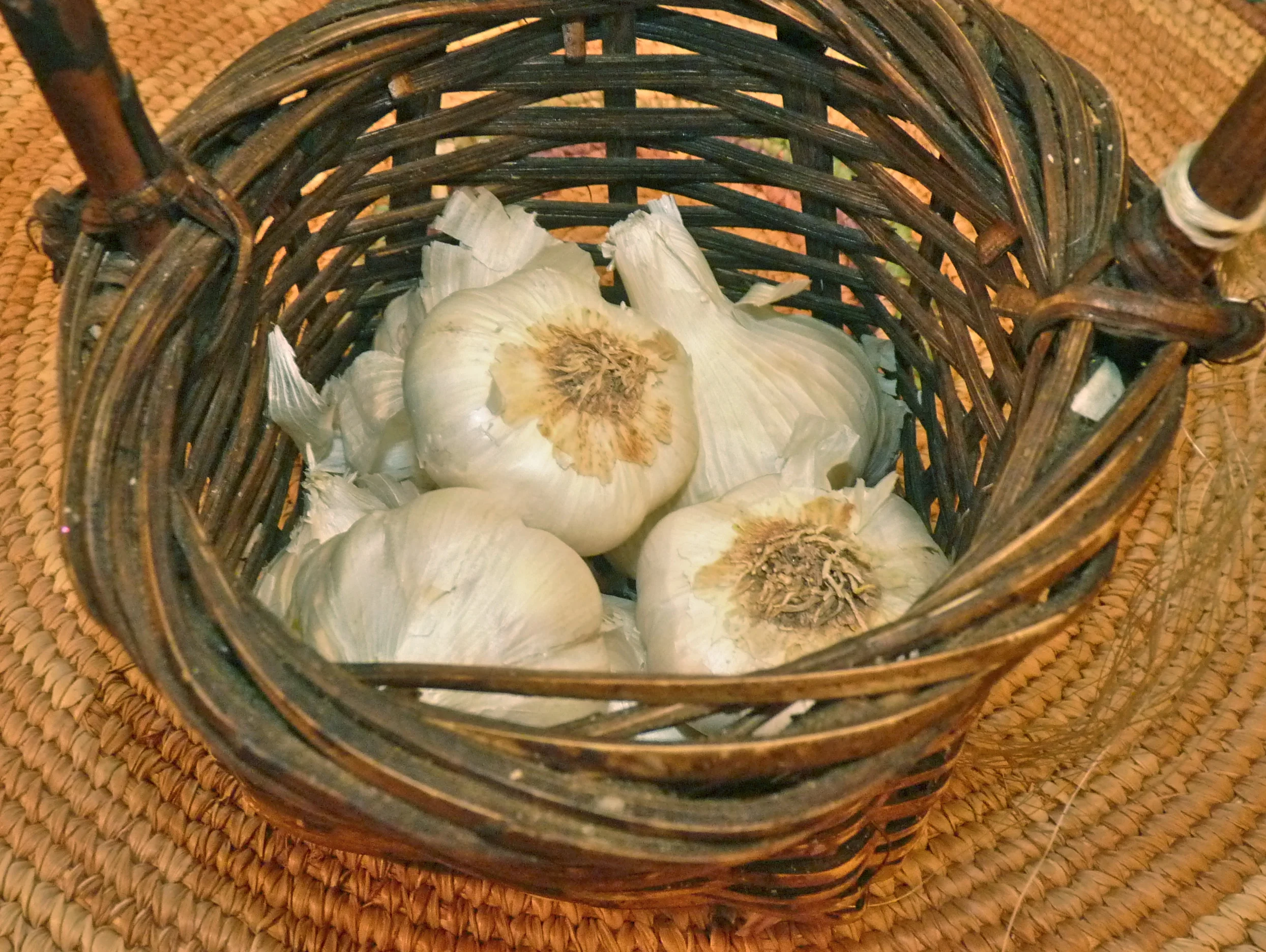
Renowned for its medicinal properties, famed as a seasoning, yet shunned by some for its strong smell and qualities of tamas, garlic is a controversial medicinal food. Learn more about its benefits and how to use it in home remedies.

Known in Sanskrit as amrita phalam, fruit of immortality or nectar fruit, pears were revered in ancient India and China as a symbol of immortality. In Roman mythology they were sacred to Juno, the mother, Venus, goddess of love and Pomona, goddess of fruitful abundance and orchards. Sweet and light, pears are calming to all three doshas.

Revered in ancient Rome as an aphrodisiac and proverbial for their benefits on eyesight, carrots are sweet and bitter with a heating energy. They calm vata and kapha. Their high antioxidant content is the reason why carrots are used for blood cleansing, liver cleansing and cancer healing.

"How sweet are thy words unto my taste! yea, sweeter than honey to my mouth!" says the Psalmist. Honey is the epitome of sweetness and deliciousness, yet this golden treat is also an important Ayurvedic medicinal food.

Lord Krishna enjoys his childhood and youth as a cowherd boy in Vrindavan, dancing with milkmaids, known as Gopis. And Dhanvantari, the God of Ayurveda is born of the churning of the ocean of milk.

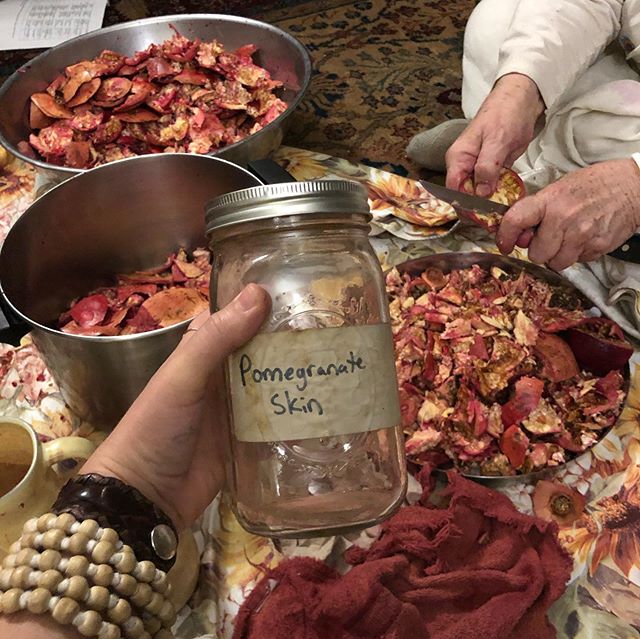
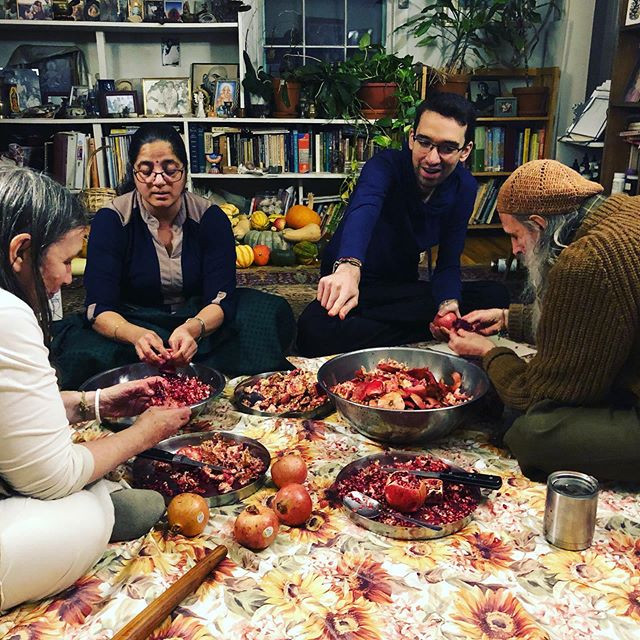
Pomegranate is known as an Ayurvedic pharmacy in its own right. The bark and root bark are used for diarrhea and dysentery, while the fruit and the rind (pericarp) are used as medicinal foods and home remedies as well as in more complex Ayurvedic formulations.

Bananas are not only a delicious food beloved by everyone from babies to the elderly, they are also a great source of cancer-fighting antioxidants and a revered aphrodisiac and building food. Learn more about the Ayurvedic properties of banana.
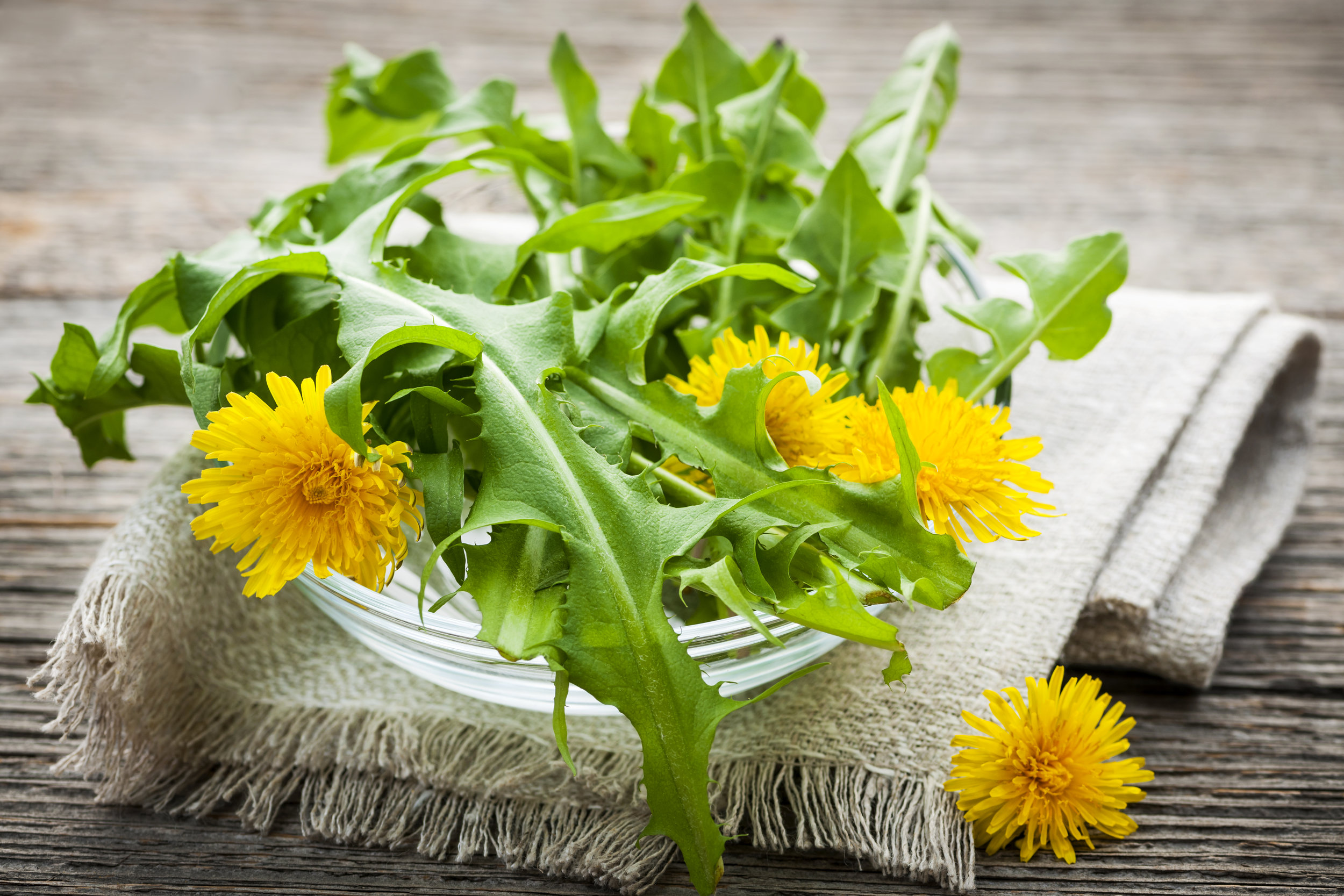
During the spring season, the texts of Ayurveda encourage us to make use of the bitter taste.
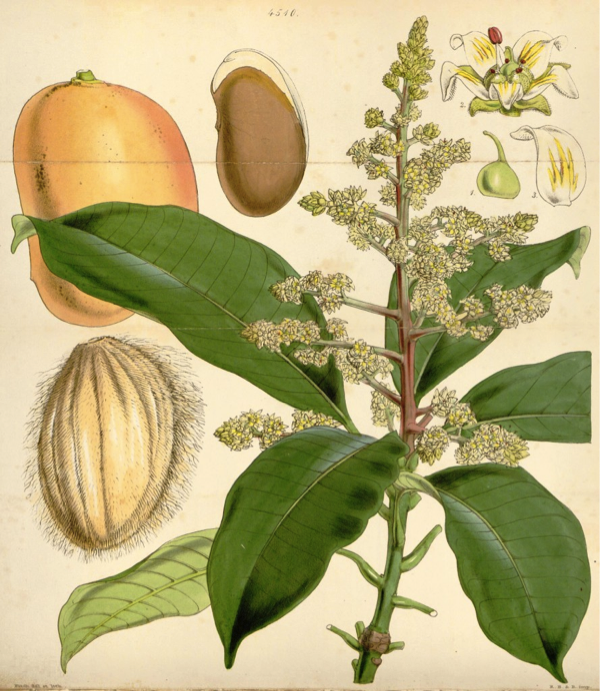
Mango is not only a delicious food, it is also a medicine used to make an array of home remedies. Every part of the mango tree offers medicinal properties, Here we will consider Ayurvedic remedies made from unripe green mango, ripe mango and mango seeds.

Aside from being an easily digestible and nourishing drink, kefir is an important source of probiotics or beneficial micro-organisms.
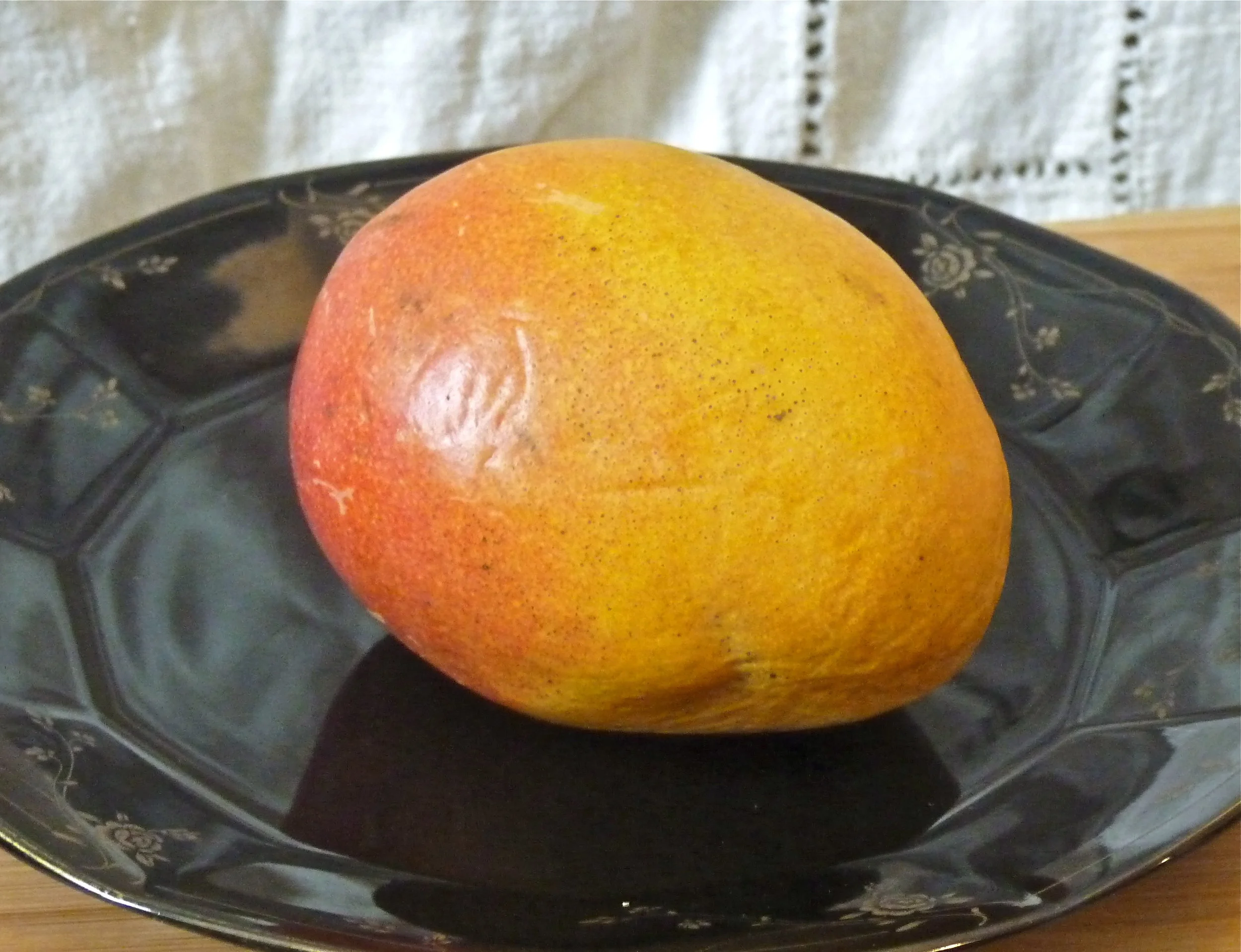
Mangoes are one of the most delightful and healthful elements of the Ayurvedic diet. Learn more about the benefits of mango and how to incorporate then into your diet.